

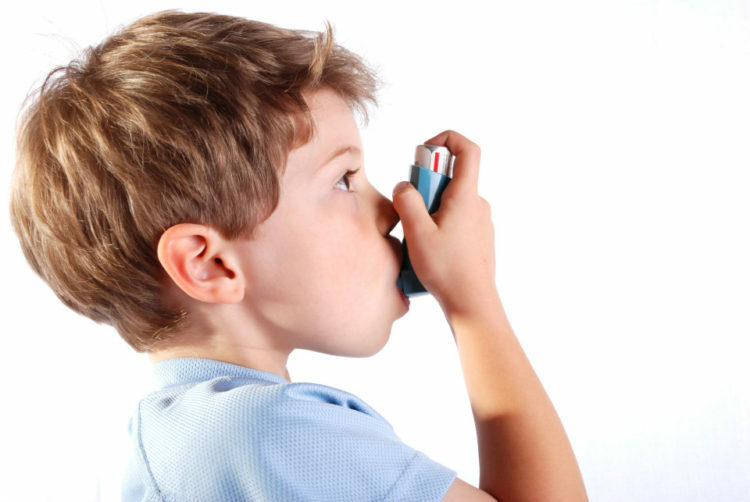
Asthma develops through a combination of inherited characteristics and environmental factors. However, having one or even several risk factors does not mean that a child will necessarily develop the condition.
Key points
Bronchial asthma is one of the common chronic conditions in children. Its likelihood is higher when close relatives have asthma, when a child has certain allergic conditions, was born prematurely, has been exposed to tobacco smoke, or has other risk factors. But a risk factor is not a diagnosis.
The most helpful clues suggesting asthma are characteristic recurring symptoms:
- wheezing;
- coughing at night or in the early morning;
- shortness of breath during play or physical activity;
- a feeling of tightness in the chest;
- symptoms recurring with viral infections or exposure to irritants or allergens.
Young children can develop similar symptoms without having asthma. Diagnosis therefore requires an assessment of the child's medical history and, when possible, objective testing of lung function.
What is bronchial asthma?
Asthma involves chronic inflammation of the airways, making them more sensitive to various exposures. During an exacerbation, the walls of the bronchi become swollen, the muscles around them contract, and mucus production may increase. This makes it harder for air to pass through the bronchi, resulting in coughing, wheezing and shortness of breath.
A characteristic feature of asthma is that symptoms vary. For example, a child may play actively and breathe normally for several weeks, but then start coughing at night or experience breathing difficulties during another respiratory infection.
With appropriate treatment, most children with asthma can lead active lives, take part in sports and attend nursery or school.
Which factors increase the risk of asthma?
Family history
Asthma is more likely when close relatives have the condition, particularly parents or siblings. However, it is not inherited according to a simple rule that a child will inevitably develop asthma if a parent has it. Many genetic characteristics and environmental factors influence risk.
Allergic conditions
Asthma is more common in children with atopic dermatitis, allergic rhinitis or allergic sensitisation. Sometimes allergic conditions appear in a sequence: eczema in early childhood, followed later by allergic rhinitis or asthma. This pattern is called the atopic march.
However, this is not an inevitable sequence. Having eczema does not mean that a child will necessarily develop asthma. It is also important to remember that asthma is not always allergic.
Premature birth and early lung development
Children born prematurely or with low birth weight may have a higher risk of subsequent breathing problems. This is partly associated with how their lungs and airways develop. Certain severe respiratory infections in early childhood are also associated with an increased likelihood of later wheezing and asthma.
However, an association does not establish that the earlier infection caused asthma. The child's pre-existing airway characteristics may also be important.
Tobacco smoke
Exposure to tobacco smoke during pregnancy and after birth is associated with a greater risk of respiratory diseases and asthma. In children who already have asthma, tobacco smoke can also trigger symptoms and exacerbations. It is therefore important to keep homes and cars smoke-free and protect children from second-hand smoke.
Aerosols from electronic cigarettes should not be considered safe for children's airways either.
Air pollution
Outdoor and indoor air pollution can contribute to the development and worsening of respiratory conditions.
Relevant exposures include:
- vehicle exhaust;
- fine airborne particles;
- smoke from burning fuel;
- tobacco smoke;
- certain indoor pollutants;
- dampness and mould indoors.
However, a single episode of exposure to polluted air does not mean that a child will inevitably develop asthma.
Excess body weight
Asthma occurs more often in children with obesity. However, body weight alone cannot establish a diagnosis. Shortness of breath during exercise can also have different causes. When assessing a child, the clinician considers height, weight, physical activity, the nature of the respiratory symptoms and other circumstances.
Which factors should not be considered proven causes?
Research has examined associations between asthma and caesarean birth, aspects of pregnancy, maternal age, neonatal jaundice and other circumstances. But a statistical association does not prove a direct cause-and-effect relationship.
For example, an observed association between caesarean birth and subsequent asthma does not mean that the operation itself caused the condition. Necessary obstetric care should therefore not be changed out of concern about such observational associations.
Vitamins during pregnancy
Studies of vitamin D and certain other nutrients have produced mixed results. There is currently insufficient evidence to recommend that all pregnant women take additional high doses of vitamins D, C or E, zinc or other supplements solely to prevent asthma in their children. Confirmed deficiencies should be prevented and treated according to medical indications.
Breastfeeding
Breastfeeding has demonstrated benefits for the health of both mother and child. It may be associated with fewer episodes of wheezing in early childhood. However, breastfeeding does not guarantee protection against asthma later in life. Similarly, not breastfeeding does not mean that a child will necessarily develop asthma.
What can trigger asthma symptoms?
It is important to distinguish between risk factors for developing asthma and triggers, which are exposures that can bring on symptoms or an exacerbation in someone who already has asthma.
Common triggers include:
- respiratory viral infections;
- tobacco smoke;
- air pollution;
- cold air;
- physical activity;
- pollen, house dust mites, animal allergens and mould allergens if the child is allergic to them;
- certain strong odours and irritating substances.
Triggers vary from child to child. There is no need to automatically avoid all animals, remove every carpet or pay for extensive home treatments without knowing which exposures actually affect the individual child's symptoms.
Which signs should raise concern?
Asthma may be suspected when a child repeatedly experiences:
- wheezing, especially when breathing out;
- episodes of difficult breathing;
- coughing at night or early in the morning;
- coughing and wheezing during running, active play or laughing;
- tightness in the chest;
- prolonged or recurrent breathing symptoms after a respiratory viral infection.
The repeated nature of the symptoms and their occurrence in different situations, including outside colds, are particularly important. For example, a child may feel well during the day but regularly wake up coughing at night. Or the child may cough and wheeze when running while other children continue to play without difficulty.
However, not every night-time cough and not every episode of wheezing means asthma. In infants and preschool children, wheezing often accompanies viral infections. In some children, these episodes gradually stop as they grow older.
If symptoms keep returning, interfere with activities or require repeated treatment, discuss them with a paediatrician.
How is asthma diagnosed in children?
Diagnosis is not made from a single symptom or the result of an allergy test alone.
The clinician will ask:
- when breathing symptoms began;
- how often they recur;
- whether they occur at night or with physical activity;
- whether there are symptoms between infections;
- whether the child has allergic conditions;
- whether close relatives have asthma;
- which medicines have already been used and how well they worked.
School-age children
When a child can perform breathing manoeuvres correctly, spirometry is used. It helps assess airflow through the airways and detect characteristic changes, including improvement after a bronchodilator medicine. However, normal spirometry between episodes does not always rule out asthma.
If necessary, the clinician may recommend additional tests or another assessment while the child is experiencing symptoms.
Children younger than 5 years
Diagnosis is more difficult: young children cannot always perform spirometry correctly, and wheezing frequently accompanies viral infections. The clinician therefore considers the nature and recurrence of episodes, risk factors, symptoms between infections and the response to prescribed treatment.
In some circumstances, a trial of anti-inflammatory treatment may be used, followed by an assessment of the response.
Are allergy tests needed?
Not for every child. Allergy testing can help identify sensitisation to particular allergens and clarify factors that trigger symptoms. However, a positive allergy test does not by itself establish an asthma diagnosis, and a negative test does not exclude non-allergic asthma.
When is emergency care needed?
Call an ambulance immediately if a child has:
- severe difficulty breathing;
- visible pulling in between the ribs or beneath the ribs with every breath;
- an inability to speak, cry or drink because of breathlessness;
- lips or a face that become blue or grey;
- marked sleepiness, confusion or impaired consciousness;
- rapidly worsening breathing, or if the prescribed medicine for relieving an attack is not helping.
If the child has already been diagnosed with asthma, follow the individual exacerbation action plan provided by their clinician. For severe symptoms, use the prescribed emergency-relief medicine according to that plan, but do not delay calling an ambulance while waiting for it to work.
Can asthma be prevented?
There is no way to guarantee that asthma can be prevented completely.
However, some measures can help reduce harmful exposures affecting the airways:
- avoid tobacco smoke and electronic cigarette aerosols;
- reduce exposure to polluted air;
- maintain suitable living conditions and address dampness and mould;
- provide adequate nutrition and age-appropriate physical activity;
- keep up with recommended vaccinations;
- treat diagnosed allergic and other respiratory conditions.
These measures benefit health but do not guarantee prevention of an asthma diagnosis. If the child already has asthma, the main goal is to control symptoms and prevent exacerbations.
Modern asthma treatment is based not only on temporarily widening the bronchi, but also on controlling airway inflammation. The clinician determines the specific regimen, including whether inhaled anti-inflammatory medicines are needed, taking account of the child's age and the severity of the condition.
Frequently asked questions
Is asthma inherited?
A family history increases the likelihood of asthma, but it does not mean the child will necessarily develop it.
If a child sometimes wheezes, does that definitely mean asthma?
No. Especially in young children, wheezing can occur with viral infections and other conditions. If episodes recur or symptoms occur between infections, a clinical assessment is needed.
Can asthma occur without an allergy?
Yes. Asthma can have different underlying mechanisms. The absence of a confirmed allergy does not rule it out.
Does every child with a cough need allergy tests?
No. Allergy testing is carried out when the results may help with diagnosis or treatment decisions.
Does a child with asthma have to avoid sports?
No. With well-controlled asthma, most children can lead active lives and take part in sports. If exercise regularly causes coughing or shortness of breath, asthma control and treatment should be reviewed rather than simply excluding physical activity.
Can vitamins prevent asthma?
There is no universal vitamin regimen proven to prevent asthma in all children.
If symptoms improve after an inhaler, does that confirm asthma?
Not necessarily. A response to a bronchodilator can be useful to a clinician, but it does not always establish the diagnosis on its own, especially in young children.
Key point: Asthma is associated with inherited and environmental factors, but risk is not the same as a diagnosis. Recurrent coughing, wheezing and shortness of breath require assessment, especially when they happen at night, after exercise or between colds. Severe breathing difficulties require emergency medical care.